
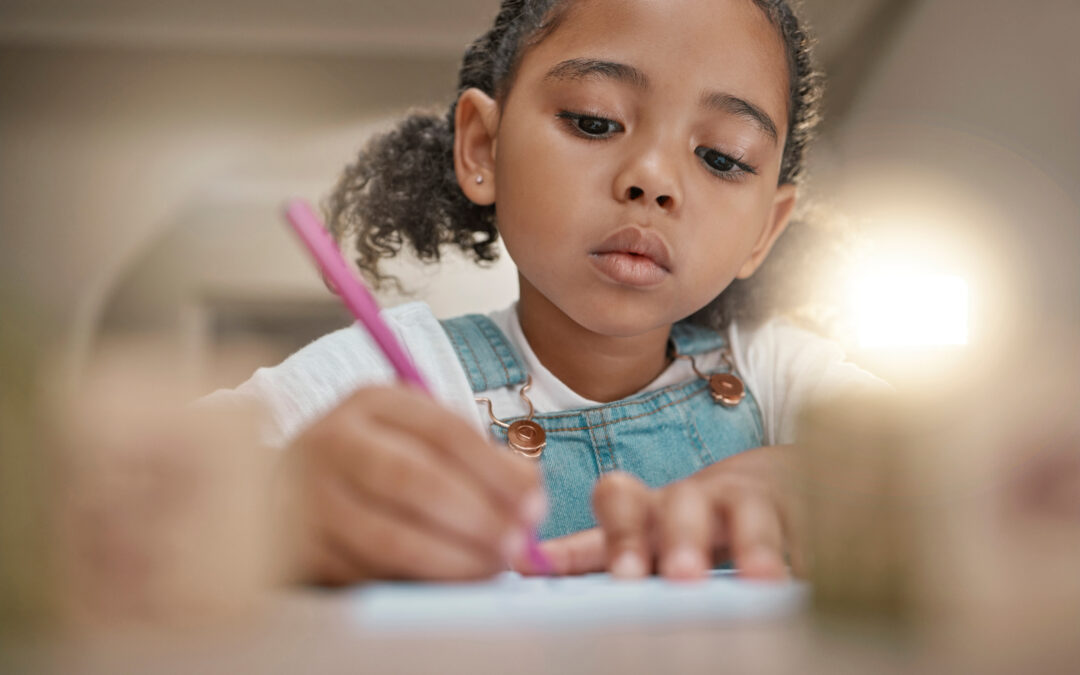
For many years, our understanding of autism was shaped largely by research and clinical descriptions based on boys. As awareness has developed, we have become increasingly aware that autism may present differently in some girls.
As a result, autistic girls can sometimes be overlooked, misunderstood or identified later.
When autism does not look as expected
Some girls may not fit the picture of autism that parents, teachers or even professionals traditionally expect.
They may appear sociable, have friendships, make eye contact and communicate well. Their interests may also appear relatively typical for their age, such as animals, books, celebrities, art or particular television programmes.
The important consideration is not necessarily what a girl is interested in, but the intensity, depth or role that the interest has for her.
Similarly, having friendships does not necessarily mean that social interaction is easy. A girl may desperately want friends while finding it difficult to understand the unwritten rules of friendships, manage conflict, recognise when relationships are becoming unbalanced or work out what is expected of her socially.
Masking
One reason autism can be more difficult to recognise in girls is masking.
Masking describes the ways in which an autistic person may consciously or unconsciously hide, suppress or compensate for their differences in order to fit in with those around them.
A girl might carefully watch her peers and copy how they speak, behave or respond. She may rehearse conversations, imitate facial expressions, suppress behaviours that help her regulate, or rely on learned social scripts.
From the outside, she may appear to be coping extremely well.
Internally, however, maintaining this level of monitoring and adjustment can require considerable effort.
Some girls manage throughout the school day only to become exhausted, withdrawn, tearful or overwhelmed when they return home. This difference between what school and home observe can sometimes be confusing for adults.
Importantly, appearing to cope is not always the same as coping well.
Looking beneath the surface
For some autistic girls, difficulties may initially be understood primarily in terms of anxiety, low confidence, perfectionism, emotional difficulties or friendship problems.
These experiences are important in their own right, but it can also be helpful to consider what may be contributing to them.
Is she constantly trying to work out what other people expect?
Is she frightened of getting things wrong?
Does she need considerable recovery time after social situations?
Does she become overwhelmed by sensory experiences that others barely notice?
Does she appear very different at home compared with school?
Does she rely heavily on routines, familiar people or preparation to manage uncertainty?
No single characteristic indicates autism. It is the wider pattern of a child or young person’s development and experiences that is important.
Creating environments where girls do not have to hide
Supporting autistic girls is not about teaching them to become better at appearing non-autistic.
It is about creating environments in which they feel understood, accepted and able to communicate their needs without having to continually hide them.
This may involve recognising the effort involved in social situations, providing opportunities for genuine downtime, reducing unnecessary sensory demands, making expectations explicit and ensuring that support is available before a young person reaches the point of becoming overwhelmed.
Most importantly, adults need to remain curious when there appears to be a difference between how well a girl seems to be coping and how she tells us she feels.
Sometimes the young person who appears to be managing everything is working the hardest simply to get through the day.